Not all microorganisms are bad — there are lots of them that actually help us to digest food, or are used to make cheese and yogurt, and also help plants grow.
But on the other side there are harmful ones called pathogens.
A pathogen is a bacteria, virus or microorganism that causes disease.
The CDC (Center for Disease Control & Prevention) says that an infection requires 6 links called the "Chain of Infection".
Chain of Infection
1 — Presence of the pathogen: it could be a bacteria, virus, or fungi.
2 — Reservoir: a place where the microbe lives and multiplies, such as people, water, or objects.
3 — Portal of exit: the path the bacteria use to leave their reservoir, like sneezing or bleeding.
4 — Mode of transmission: the pathogen moves into a new host in 4 different ways: direct (handshake), indirect (contact with a contaminated surface), airborne (inhaling airborne droplets or fine particles like dust), and vector (animal, insect, fleas).
5 — Portal of entry: the most common path is through nose and mouth, but never underestimate skin, like cuts or open wounds.
6 — Susceptible host: some people are more susceptible, like people with chronic conditions, babies, or the elderly.
Most Common Pathogens in Commercial Spaces
I believe we should consider 3 of them placed in a pyramid: at the last position we have fungi, found in mould and poorly ventilated areas. Then in second place, viruses, spread through coughing and sneezing. And the gold medal goes to bacteria, which can be found almost everywhere, especially on high-touch surfaces.
In order to do a proper disinfection service, the place must first be cleaned of dust and dirt — otherwise the sprayed solution won't work and the disinfection will fail.
How We Provide a Safe Space for You
Cleaning does not kill germs — it removes some of them (using microfibre cloths), reducing the amount on surfaces. It is the first and vital step, as it leaves the surface without barriers to be disinfected.
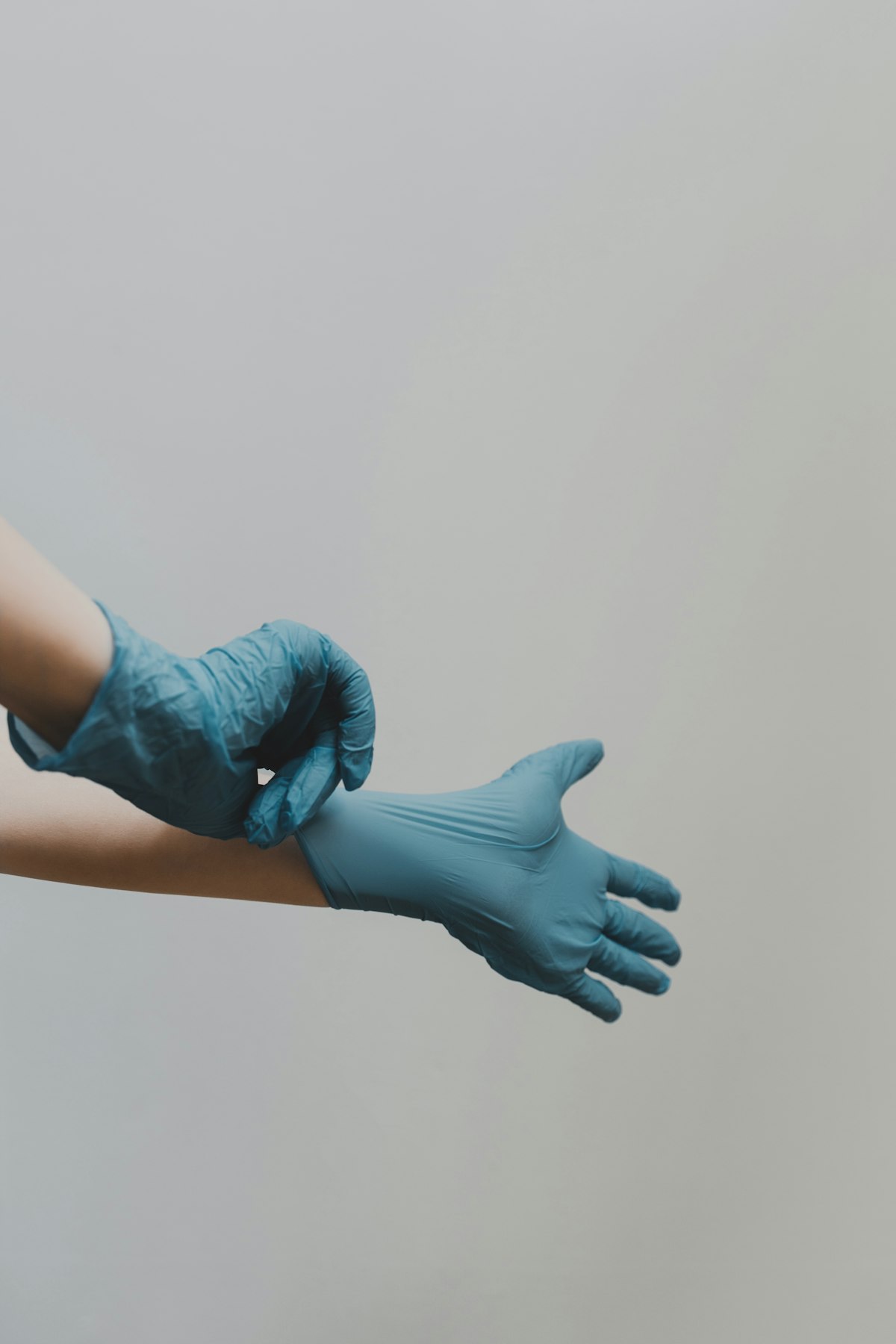
After the area is dust-free and has no debris, the process of disinfection starts. Using gloves, masks, gowns, and eye protection, the trained staff member will use an electrostatic sprayer or fogger with the perfect product for all surfaces.
The product used is plant-, people-, and pet-friendly, which means that after the whole process of spraying, the area can be used again after just 10 minutes once it has completely evaporated.
The disinfectant solution undergoes an electrolysis process, transforming it into a highly powerful oxidising agent. It closely resembles water, which tricks pathogens into absorbing it. Once inside, the combination of electrolysis and salt disrupts their cell membrane, causing the pathogen to burst from the inside out.
How Often Should You Call a Specialist?
As we said, the primary step in hygiene is cleaning, followed by disinfection to eliminate harmful microorganisms. After disinfection, Touch of Clean applies a protective product that forms an invisible barrier lasting up to 90 days. This added layer ensures long-lasting protection, helping to maintain a cleaner, safer, and more hygienic environment over time.
So, how often should you book a disinfecting service? I would recommend every 3 months. Enjoy a discount when you book for the whole year — use code DISINF25.
This is the reason why regular cleaning and disinfection is essential.
Touch of Clean Aberdeen — Cleaning & Disinfecting
If you're after a new provider for deep cleaning or disinfection services in Aberdeen, you've come to the right place. Are you interested in the service but wondering how much it might cost? Contact us to receive a free quote with no obligation to buy.
Alessia
Founder of Touch of Clean Aberdeen. Passionate about eco-friendly cleaning, workplace hygiene, and helping Aberdeen businesses thrive in a clean, healthy environment.